
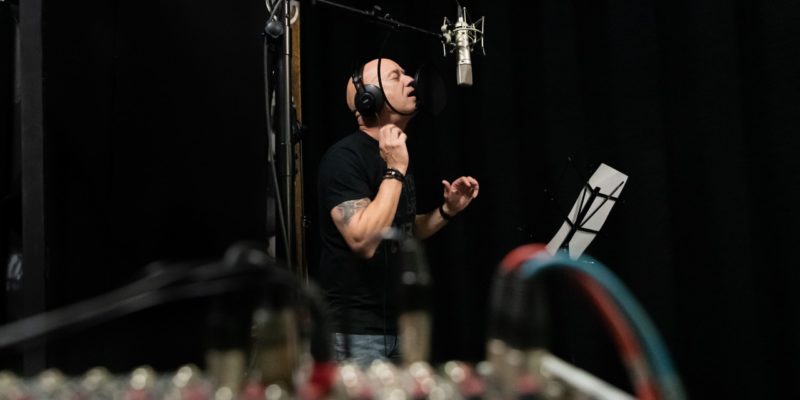
London has one of the deepest recording scenes in the world. From historic rooms to modern project studios, the choices are almost endless. That is great for artists, but it also makes the search harder. The right studio can lift your project. The wrong one can drain your budget and your energy.
Here is a practical guide to finding a London studio that fits what you actually need.
Start With What You Are Recording
Before you look at a single studio, get clear on the project. A solo vocalist laying down demos has very different needs than a five-piece band tracking live drums, or a podcaster recording interviews.
Ask yourself:
- Are you recording vocals, a full band, voiceover, or a podcast?
- Do you need tracking only, or also mixing and mastering?
- Is this a demo, a single, or a full album?
Writing this down gives you a short brief you can send to any studio, and it makes quotes easier to compare.
Check the Rooms and the Gear
A studio is only as good as its rooms and its signal chain. Look for:
- Room size and acoustics. A band needs space for live tracking. A vocalist may only need a well-treated booth.
- Microphones and preamps. A good mic collection gives you options for different voices and instruments.
- Instruments on site. Drum kits, amps, pianos, and keyboards can save you hauling gear across the city.
- Monitoring. Accurate monitors help you make mixing decisions that translate to other speakers.
Most studios list their equipment online. If something is unclear, just ask.
Look at the Engineer, Not Just the Equipment
Gear matters, but the person behind the console matters more. A skilled engineer will get a better sound from modest equipment than a beginner will from a famous console.
Listen to their previous work in your genre. Check whether they communicate clearly, take direction well, and keep sessions moving. Chemistry is real. You will spend long hours together, so you want someone who makes you comfortable enough to perform your best.
Think About Location and Logistics
London is big, and travel adds up. A studio that looks perfect on paper can become a headache if it takes ninety minutes to reach with a drum kit in tow.
Consider:
- Public transport links and parking
- Load-in access for heavy gear
- Nearby food and coffee for long sessions
- Whether the area suits late-night sessions
Set a Realistic Budget
Studio pricing in London varies widely. Hourly and day rates depend on the room, the equipment, and whether an engineer is included. Always confirm what is covered, such as engineer time, mixing, file delivery, and any extra charges for overtime or equipment.
A few ways to stretch your budget:
- Prepare thoroughly. Rehearse your parts so studio time goes to recording, not rehearsing.
- Book block sessions if the studio offers discounted rates.
- Be clear about the scope up front to avoid surprise costs.
Visit Before You Book
Photos only tell you so much. If you can, tour the studio first. Listen to the room, meet the team, and see how the space feels. Many studios offer short visits or a quick call to walk you through the setup.
This is also a good time to compare a few options. Studios such as Select Recording Studios give you a clear starting point for seeing what a professional London facility can offer, and what questions to ask any studio on your shortlist.
Questions to Ask Before You Commit
- What is included in the hourly or day rate?
- Is an engineer provided, and what is their experience in my genre?
- What gear and instruments are available on site?
- How do you handle file delivery, revisions, and backups?
- What is your cancellation and rescheduling policy?
Final Thoughts
The best recording studio is the one that matches your project, your budget, and your working style. Define your needs, check the rooms and the engineer, plan the logistics, and visit in person when you can. With a little homework, you will find a London studio that helps you capture the sound you have in your head.
Photo by Max Mishin.